Phoenix Concrete Pads
Phoenix Metro, Arizona
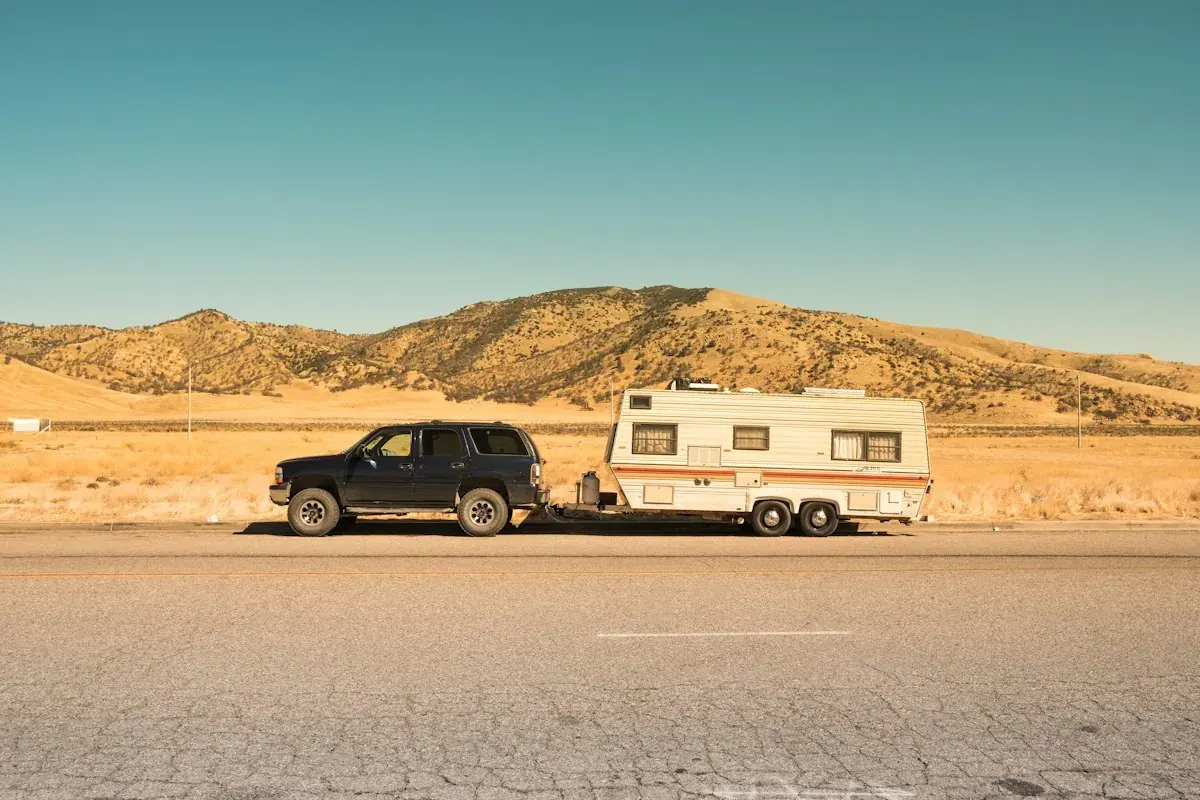
An SUV towing a travel trailer through the Arizona desert
Boat & Trailer Pads

Boat and Trailer Pads in Phoenix, AZ

A boat and trailer pad in Phoenix, AZ gives a boat, utility trailer, toy hauler or travel trailer a level, legal spot that does not rut.

  • Boats and utility trailers
  • Toy haulers and travel trailers
  • Built for the tongue jack
  • Meets parking-surface rules

Why trailers need their own pad

A trailer pad has to handle two very different loads: the wheels, which spread the weight, and the tongue jack, which puts the tongue weight on one small foot. On gravel or dirt the jack sinks and the trailer tips; on a thin patio slab it can crack a corner. A pad built for it stays flat.

The other reason is the rules. In Phoenix, front and side yard parking areas must be dust-free. In Mesa, boats and utility trailers belong in a garage, a carport, the rear yard, or the side yard behind the front face of the house, on concrete, asphalt or bordered crushed rock.

Typical pad sizes by trailer
TrailerTypical padUsual build
Utility trailer (single axle)8x16 to 10x204 in, reinforced
Boat on trailer (fishing or ski boat)10x24 to 12x284 to 5 in, reinforced; jack pad thickened
Toy hauler, enclosed cargo trailer10x28 to 12x325 in, rebar grid
Travel trailer12x30 to 12x405 to 6 in, rebar grid (see RV pads)

Swipe the table sideways to see every column →

Size from the coupler to the rear bumper or boat stern, then add 2 to 4 feet. Typical practice, not engineering; the quote states the spec.
A new concrete parking pad beside block pillars and a block wall
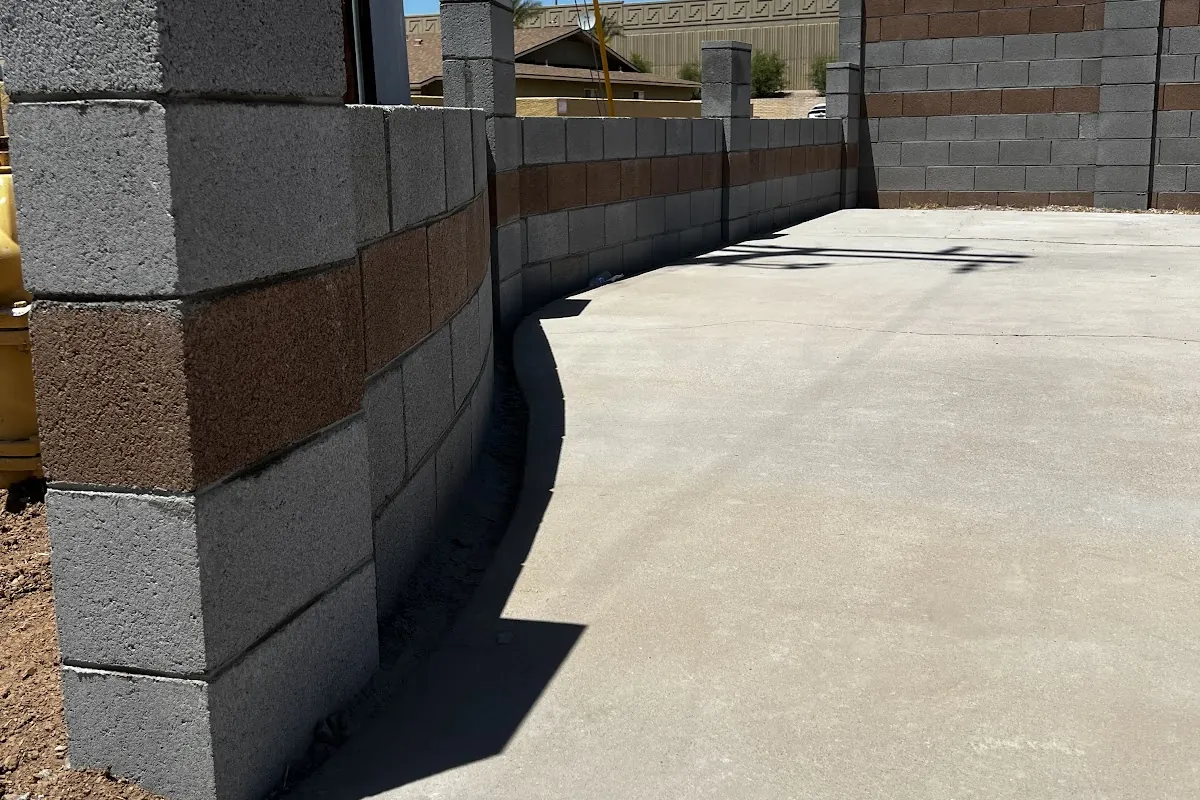
A parking pad Richard poured beside new block pillars: wide, flat and jointed, the kind of slab a boat or trailer sits on.

Laying it out for backing in

  • Line the pad up with the gate so the trailer backs straight in, not around a corner
  • Mark where the tongue jack lands and thicken or reinforce that spot
  • Leave walking room on the side you load from
  • Slope the pad away from the house and toward the yard
  • If the boat drains when parked, give the water somewhere to go off the slab

For travel trailers and anything over about 30 feet, the build follows the RV spec. See concrete RV pads and the RV pad size guide.

Request a Free Pad Quote

Four fields. Free, and nothing is committed.

Boat and trailer pads in Phoenix, AZ: frequently asked questions

How big should a boat or trailer pad be?

As long as the trailer from coupler to the back of the boat or bumper, plus 2 to 4 feet, and wide enough to walk around it. Utility trailers often fit a 10x20 pad; a boat on a trailer or a toy hauler usually needs 10x24 to 12x30.

How thick does a trailer pad need to be?

Thinner than an RV pad for light trailers, but the tongue jack is the problem: it puts the trailer's tongue weight on a few square inches. A 4 to 5 inch reinforced slab on compacted base handles most boats and utility trailers; heavy toy haulers are built like an RV pad.

Where can I keep a boat or trailer in Mesa?

Mesa code 8-6-3 (U) requires boats and utility trailers to be kept in a garage, a carport, the rear yard, or the side yard behind the front face of the house. Front and side yard parking surfaces must be concrete, asphalt or 3 inches of crushed rock in a concrete border.

Can a trailer pad go on the side yard behind an RV gate?

Yes, and it is the most common spot. In Phoenix that side-yard parking area has to meet the dust-free surface rule, so a concrete pad or bordered gravel is the usual answer.

Get a boat or trailer pad quote

Send the trailer length and where it parks.

Get a Free Quote
Call NowFree Quote