Last reviewed October 2026
The short answer
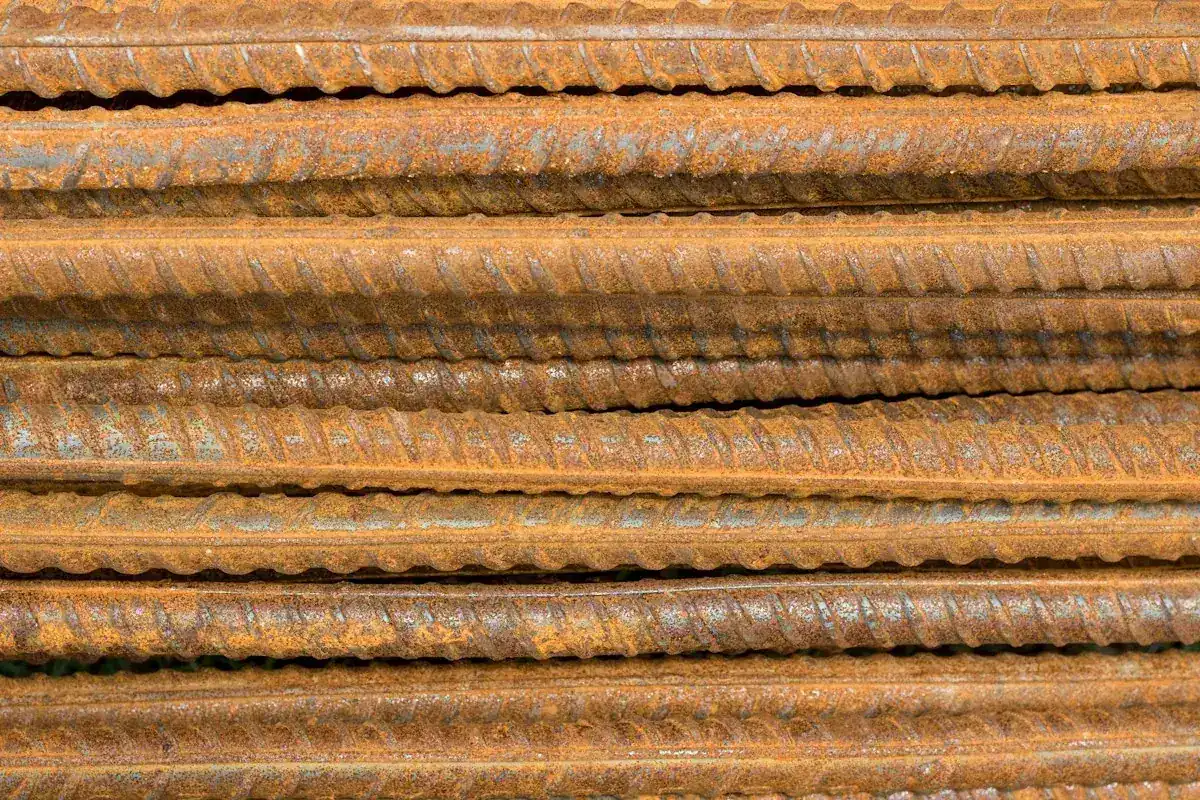
Most RVs need 5 to 6 inches of reinforced concrete on 4 to 6 inches of compacted base; heavy Class A coaches need 6 inches or more of 4,000 psi concrete with #4 rebar on a 12-inch grid. A 4-inch slab is a patio spec. It holds a light trailer, not a 30,000-pound motorhome. Class A coaches range from about 12,500 to 54,000 pounds of gross weight, and the longest ride on a third tag axle because two axles cannot carry them.
| RV | Weight | Thickness | Rebar |
|---|---|---|---|
| Light travel trailer | Check the GVWR sticker | 4 in | Rebar or mesh, centered |
| Class C, fifth wheel | 12,000 to 20,000 lb | 5 to 6 in | #4 on a 16 in grid |
| Class A gas | 16,000 to 24,000 lb | 6 in | #4 on a 12 to 16 in grid |
| Class A diesel, 40 to 45 ft | 25,000 to 54,000 lb GVWR | 6 in or more, 4,000 psi | #4 on a 12 in grid; thicken under wheels |
Swipe the table sideways to see every column →
Published RV pad practice and manufacturer weight ranges. Base: 4 to 6 in of aggregate compacted in lifts. Typical specs, not engineering.
The base matters as much as the slab
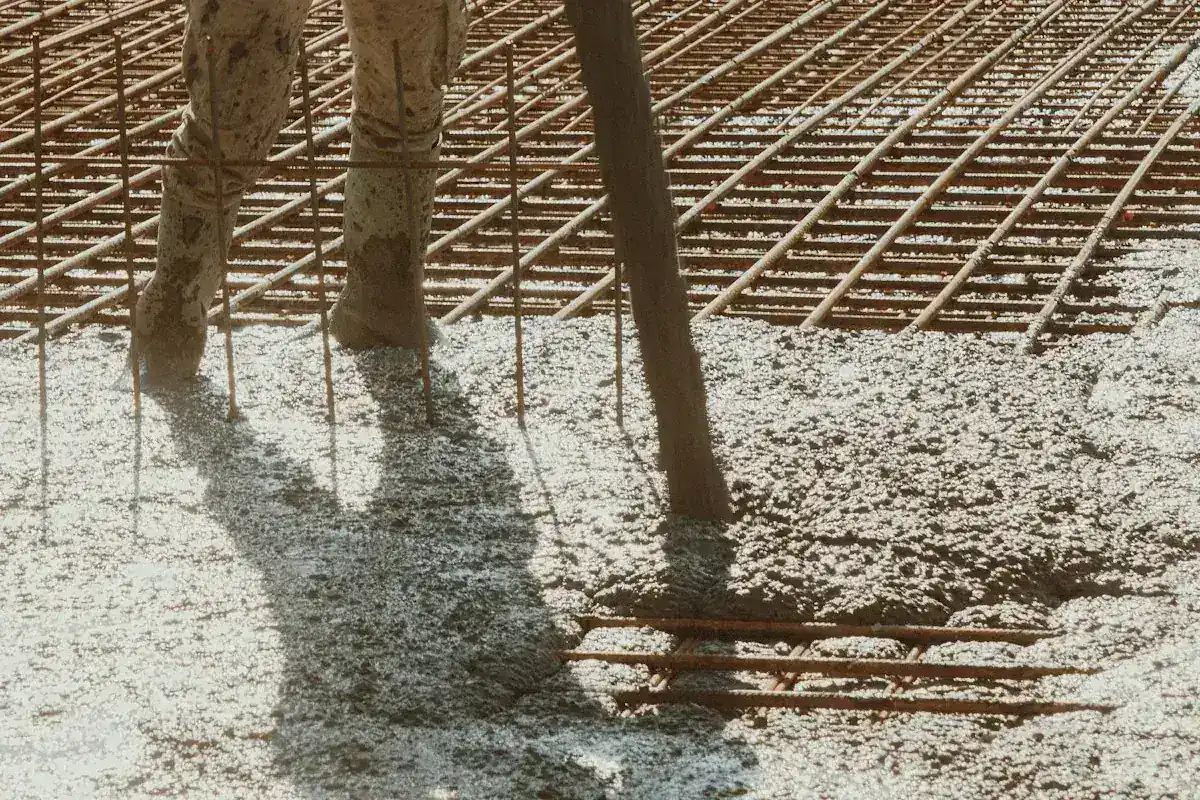
Concrete spreads a load; it does not create support. A thick slab on soft fill still cracks when the fill moves. Published practice calls for 4 to 6 inches of aggregate base, compacted in lifts, over firm native soil. In the Valley that native soil is often caliche, which makes an excellent base when it is below grade.
Joints: deciding where it cracks
Concrete shrinks as it dries, so it will crack somewhere. Control joints decide where. ACI 360R-10 guidance spaces them at 24 to 36 times the slab thickness, which works out to 2 to 3 times the thickness in feet, and cuts them at least a quarter of the way through.
| Slab | Joint spacing | Minimum cut depth |
|---|---|---|
| 4 in | 8 to 12 ft | 1 in |
| 5 in | 10 to 15 ft | 1-1/4 in |
| 6 in | 12 to 18 ft | 1-1/2 in |
Swipe the table sideways to see every column →
ACI 360R-10 rule of 24 to 36 times thickness; depth at least one quarter of the slab.
Curing an RV pad in Arizona heat
What the standard allows
ACI 305.1-14, the hot-weather concreting specification, allows concrete up to 95 degrees F at discharge, up from 90 degrees in earlier versions. The Arizona Rock Products Association notes the change and stresses that curing is the most critical factor in hot weather.
What that means on a Phoenix pour
Phoenix averages about 21 days a year at or above 110 degrees. In that air, water leaves the surface faster than it can rise from below, which causes plastic shrinkage cracks. Summer pours start at first light, the base is dampened, and the finished slab is kept wet or sealed with curing compound so it gains strength before it dries.